Abstract
As a core practice for the transition to clean energy, distributed photovoltaic (PV) power generation addresses the conflict between energy development and land resource constraints through innovative spatial utilization and technological advancement. Constructing PV power stations on idle land alongside expressways leverages their decentralized layout and clear ownership. This approach avoids competition for land with traditional agriculture and urban construction, while simultaneously achieving dual goals of land value appreciation and green power production.
Anti-islanding protection serves as core equipment for secure grid operation. It prevents PV systems from continuously feeding power to the grid when grid power fails (the "islanding effect"), protects maintenance personnel, power grids and equipment, and maintains stable grid operation.
Keywords: Distributed Photovoltaics; Expressway; Anti-islanding Protection
1. Overview
Against the backdrop of a global low-carbon energy transition, distributed PV power generation has become a core pathway for large-scale renewable energy deployment due to its flexibility and cleanliness. However, conventional PV projects face bottlenecks of land scarcity, and idle land strips along expressways provide an innovative solution to this challenge.
Within distributed PV grid-connected systems, anti-islanding protection devices represent critical technology for grid safety. Adopting an active phase-locked loop and frequency offset injection technology, these devices monitor grid status in real time. Once grid power outage is detected, they cut off PV output within 0.2 seconds to eliminate electric shock hazards and equipment damage caused by the islanding effect.
The Datang-Pubei Expressway PV Power Generation Project in Qinzhou City (hereinafter referred to as "the Project") is a demonstration distributed PV project built in response to national initiatives to optimize energy structures and deliver cleaner, more reliable power.
Located at the Pubei Interchange section of the Datang-Pubei Expressway in Pubei County, Qinzhou City, the Project builds distributed PV power stations on expressway side slopes under a full on-grid power sales model. With a total installed capacity of approximately 3.31 MWp, the system connects to the power grid via the existing 10kV Liuqiao Line under the administration of Qinzhou Power Supply Company.
The Project deploys high-efficiency PV modules with a total capacity of 3.31 MW, adopting a full power export settlement model. It was scheduled for completion and commissioning by the end of April 2025. Acrel’s Acrel-1000DP distributed PV monitoring system solution was selected for the secondary design. Running on supporting operating systems, the PV monitoring platform delivers stable and reliable local protection and monitoring schemes. The construction and operation of this distributed PV station supply clean, renewable electricity, reduce reliance on fossil fuels, and cut carbon emissions.
This paper elaborates on the demonstration of the PV station grid connection scheme, as well as research on system relay protection, safety automatic devices, system communication, and dispatching automation solutions.
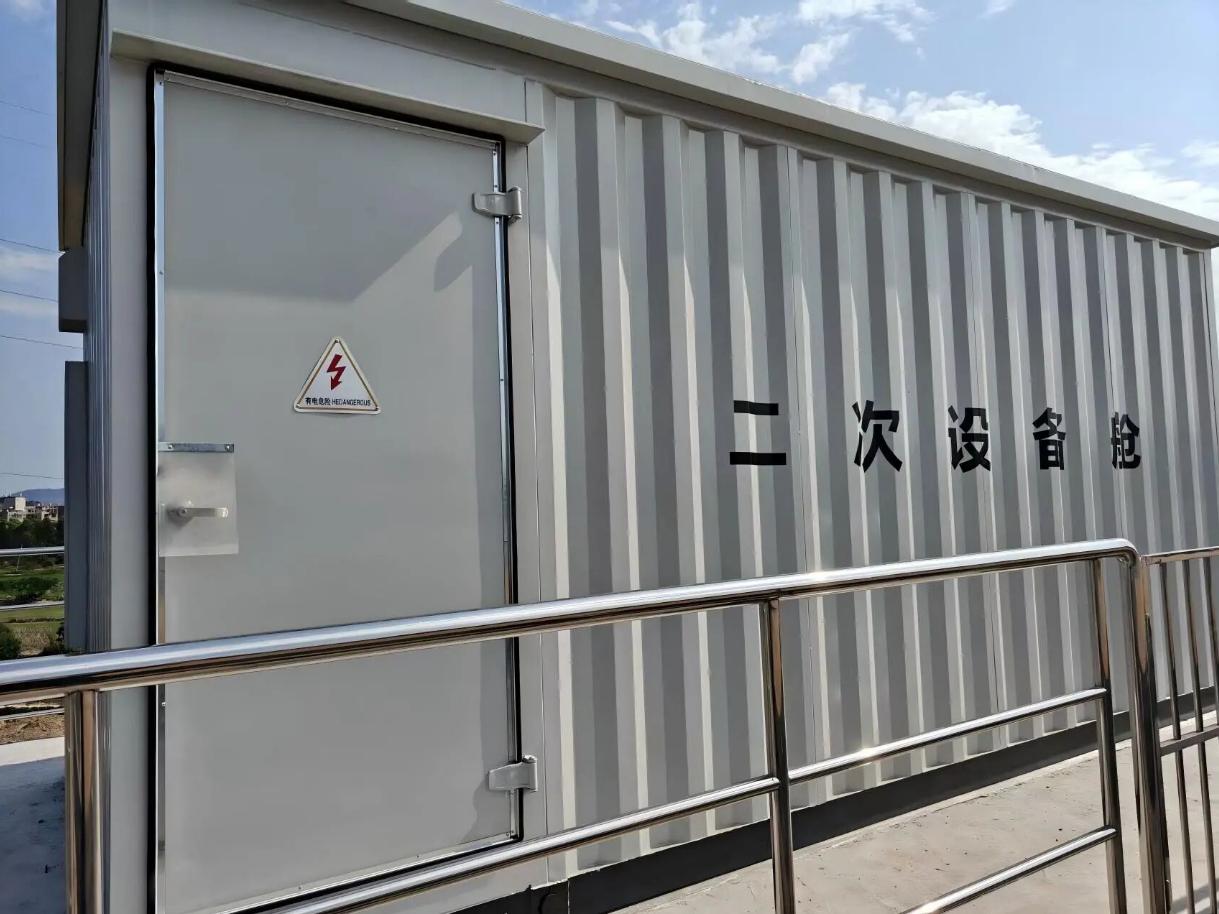
Figure 1 Project Site Photo
2. Solution
This is a roadside distributed PV project with a capacity of 3.31 MW, adopting full power export for consumption. New grid-connected equipment includes PV outgoing cabinets, metering cabinets, PT cabinets, and PV incoming cabinets. The upgraded PV system is equipped with an automation system to collect grid connection data in real time and upload information to the local dispatching center’s DMS system. The inverter outputs 800V AC power, which is stepped up to 10kV via box-type transformers, then routed through high-voltage cables to the new 10kV PV incoming cabinet before connecting to the existing 10kV Liuqiao Line via the grid-connected cabinet. The Project utilizes the Acrel-1000DP PV monitoring platform, which supports full-station real-time data observation and fault alarm prompts.
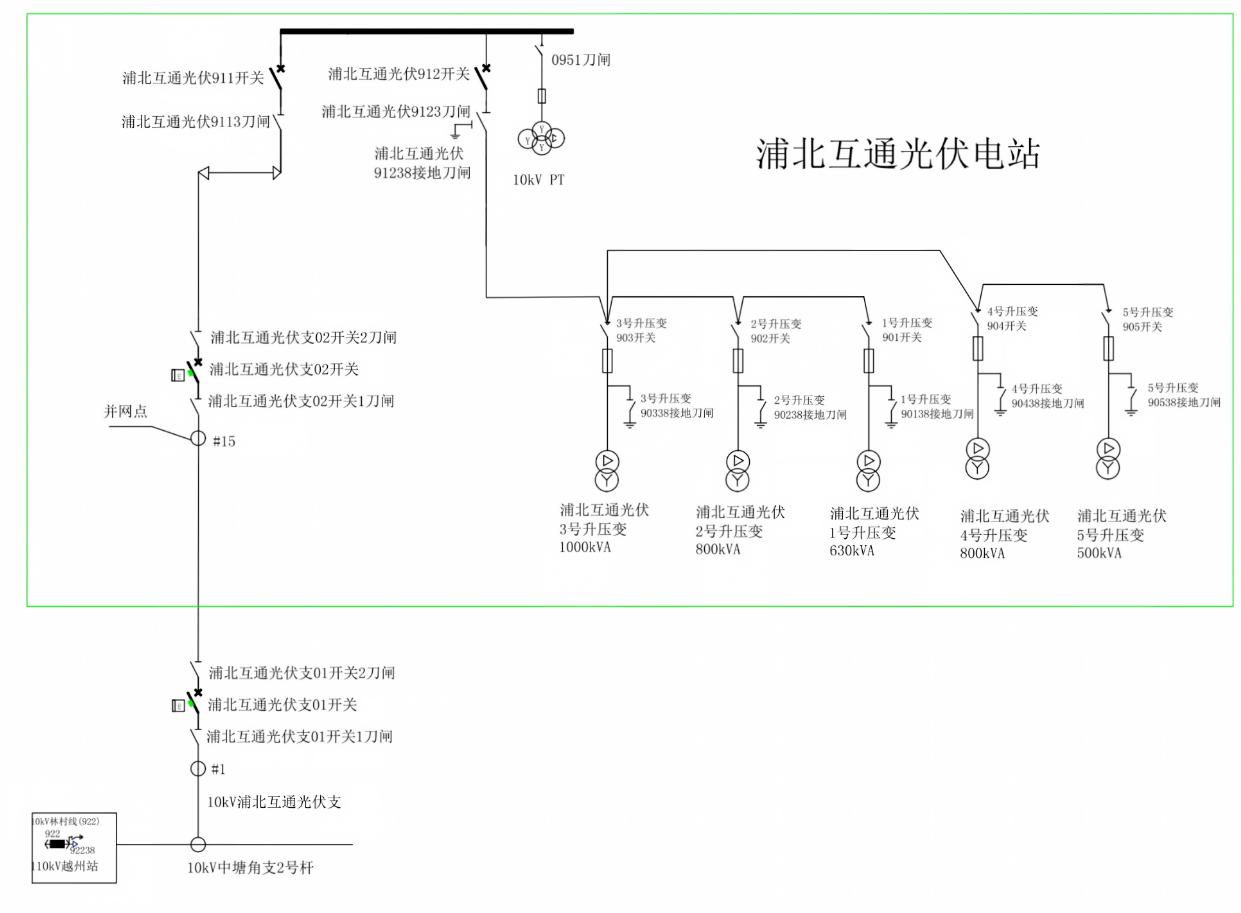
Figure 2 Project Power Station Numbering Diagram
3. Technical Scheme
Boasting a total capacity of around 3.31 MWp, the PV power generation system is built on idle land alongside the expressway, featuring domestically renowned PV modules, inverters, transformers and other core equipment. All electricity generated by the distributed PV system is exported to the grid in full. DC power produced by the PV array is converted to AC power via string inverters, stepped up to 10kV on-site, and fed through switchgears via one outgoing circuit to the 10kV grid-connected cabinet busbar in the primary equipment cabin. The grid-connected cabinet transmits PV power to pole-mounted switches for grid interconnection. The planned total installed capacity of the project is 3.972 MWp, with an AC-side capacity of 3.31 MW. Calculated over the 25-year service life of the PV station, the average annual power generation is 464.23 kWh, and the total power generation over 25 years reaches 11605.73 kWh. Scheduled for commissioning in 2025, the project implements a full power export operation model.
3.1 Step-up Transformers and High/Low-Voltage Distribution Equipment
The Project is equipped with one 1000kVA, two 800kVA, one 500kVA and one 630kVA three-phase dry-type transformers. Rated voltage: 10.5±2×2.5% / 0.8kV, connection group: Dy11, rated frequency: 50Hz, suitable for outdoor installation, with energy efficiency levels complying with national standards.
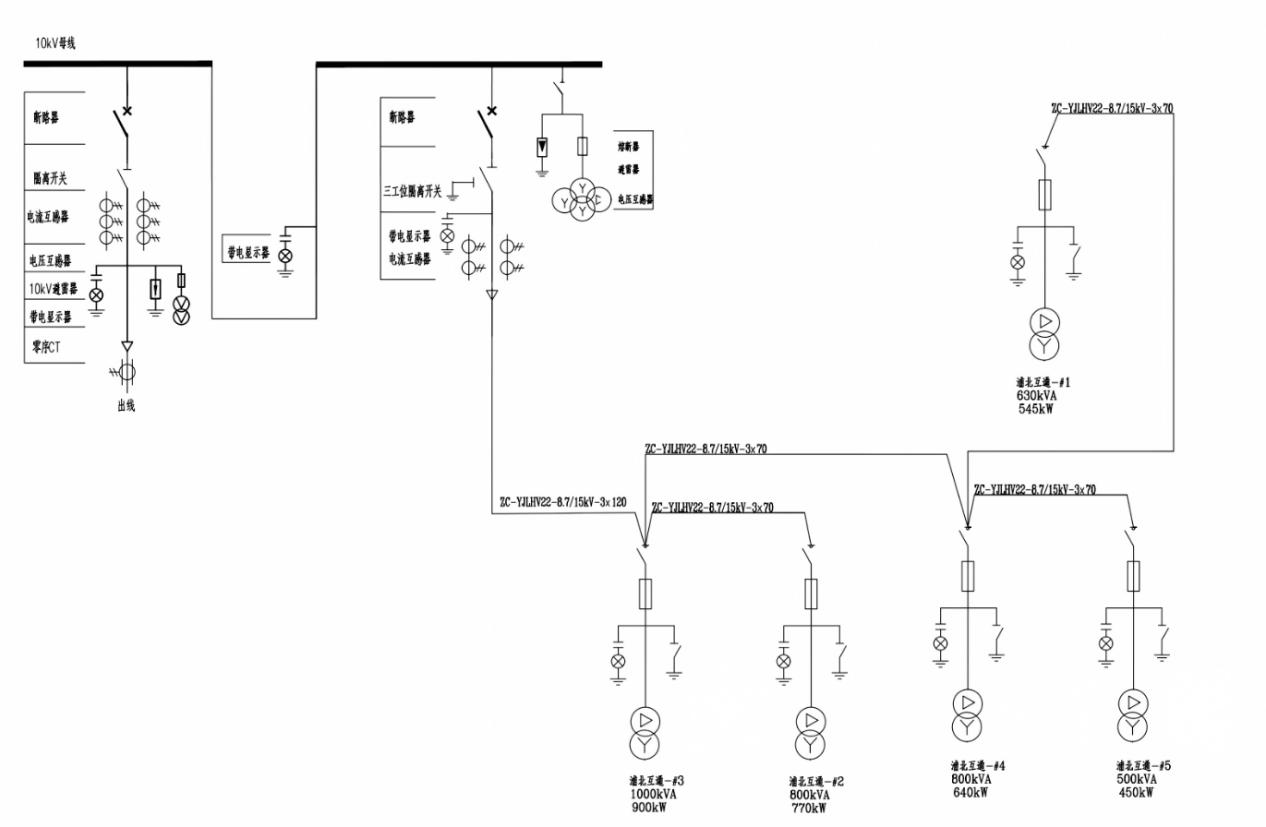
Figure 3: New Photovoltaic Primary Diagram
3.2 Relay Protection and Safety Automatic Devices
Microcomputer-based protection is adopted for all major electrical equipment in the PV station to support data upload. Component protection is configured in accordance with Technical Specifications for Relay Protection and Safety Automatic Devices (GB 14285-2006).
1) Anti-islanding Detection
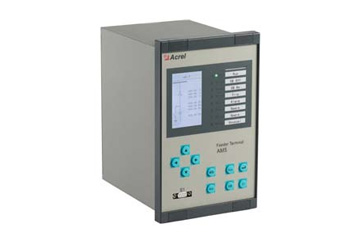
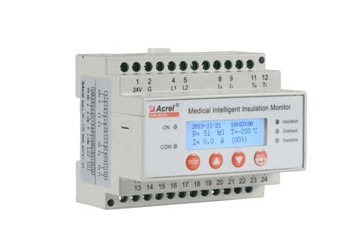
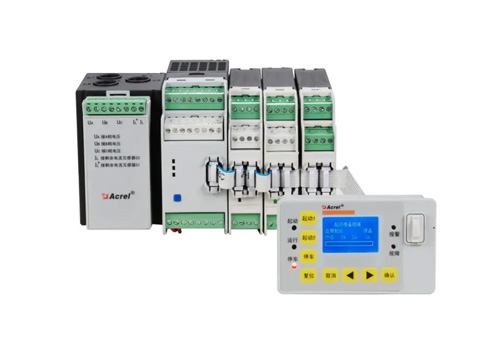
The AM5SE-IS anti-islanding device deployed in this Project applies to grid-connected new energy power generation systems including 35kV, 10kV and low-voltage 380V PV and gas power stations. It features three-stage overcurrent protection, inverse time protection, two-stage zero-sequence overcurrent and zero-sequence inverse time overcurrent protection, with the following core functions: ① Personnel Safety Protection: Upon grid or PV-side power loss, the anti-islanding device acts rapidly to disconnect the grid connection point, preventing maintenance staff from contacting live equipment unknowingly and safeguarding personal safety. ② Prevention of Grid Surge and Equipment Damage: Quick disconnection eliminates abnormal voltage and frequency fluctuations caused by islanding, avoiding impact and damage to both the power grid and PV equipment. ③ Improved System Reliability: Real-time monitoring and rapid response stabilize grid-connected PV systems, balance power exchange with the main grid, and enhance overall system reliability.
Inverters for distributed PV projects must feature rapid islanding detection and instant disconnection from the grid upon islanding identification. Anti-islanding schemes shall coordinate with relay protection, safety automatic devices and low-voltage detection equipment with matched action timing, complying with State Grid specifications.
2) Grid-connected Line Relay Protection and Safety Automatic Equipment
When short-circuit faults occur on distributed PV grid-connected lines, line protection shall act instantly to trip the corresponding grid-connected circuit breaker, enabling fast and reliable fault clearance across the full line. A fault splitting device shall be installed on the 10kV busbar of user substations hosting PV facilities to implement emergency control over abnormal frequency and voltage, tripping dedicated circuit breakers as required.
3) Power Quality Monitoring Devices
Distributed PV projects must meet national grid power quality requirements. Per national standards such as Technical Rules for PV Power Systems Connected to the Grid (GB/T 15543-2008), power quality parameters including voltage, current, frequency and harmonic distortion shall be controlled to ensure stable operation of PV systems and reliable grid power quality.
4) AGC/AVC Devices
For integration into China Southern Power Grid, distributed PV projects must comply with Technical Specifications for Distributed PV Generation Connected to Distribution Networks (GB/T 29319-2024) as required by CSG dispatching departments. Equipping AGC/AVC devices enables regulation of active and reactive power of inverters, fulfilling the "Four Visible & Controllable" requirements: observable, measurable, controllable and adjustable.
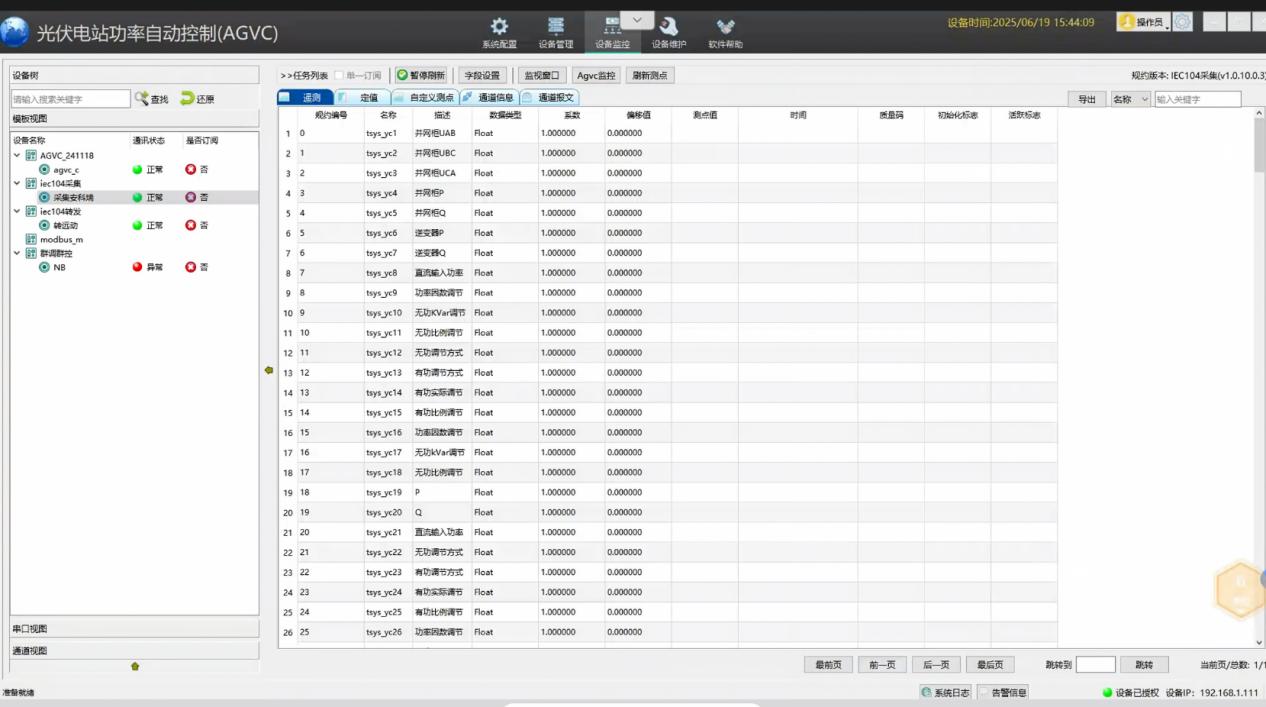
Figure 4 AGC/AVC Acquisition Configuration Diagram
5) Situational Awareness Devices
In line with the Cybersecurity Protection Plan for Distributed New Energy Grid Connection of China Southern Power Grid (Document No. Zongtiao〔2022〕7 Annex 1), distributed new energy stations shall be fitted with distribution network cybersecurity protection devices to realize real-time monitoring and auditing of cybersecurity threats, uploading data to the power monitoring system cybersecurity situational awareness platform. Situational awareness equipment detects potential risks promptly and triggers alarms during cyberattacks.
4. System Architecture
This photovoltaic power station project is equipped with a comprehensive automation system, utilizing the Acrel-1000DP distributed photovoltaic power monitoring system provided by Acrel Electric Co., Ltd. This system features protection, control, communication, and measurement functions, enabling full-function integrated automated management of the photovoltaic power generation system and switchyard. Status signals from inverters, high- and low-voltage equipment, and other components are all connected to this monitoring system.
The photovoltaic power station monitoring system comprises two parts: a station control layer and a local layer, with an open, layered, and distributed network structure.
The monitoring system connects to the local layer via Ethernet. The local layer is distributed relatively independently in the inverter area or transformer substations according to different functions and systems. Even in the event of station control layer or network failure, the local layer can still independently monitor the local electrical equipment. The computer monitoring system communicates with the Lu'an Power Company via the GPRS public network of the remote control workstation.
The station control layer consists of servers, operator stations, and remote control stations connected by a computer network. It provides a human-machine interface for station operation, enabling management and control of local layer equipment, forming a station-wide monitoring and management center, and also has an interface for communication with a remote control center.
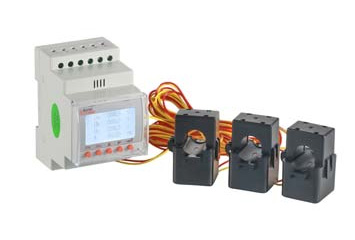
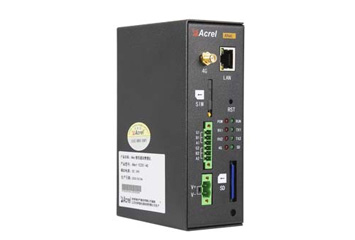
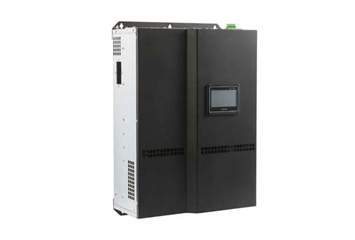
The local layer equipment consists of an intelligent measurement and control unit, a network system communication unit, an inverter data acquisition unit, and a multi-functional energy meter. The main electrical equipment includes inverters, transformer substations, and grid-connected switches. It directly collects and processes raw data from the site, transmits it to the station control layer monitoring master station via the network, and simultaneously receives control operation commands from the station control layer. After validity judgment, interlock detection, and synchronization detection, it finally performs operation control on the equipment.
The communication network between the station control layer and the local layer uses a GPRS wireless communication network.
Each photovoltaic power generation unit is equipped with a data acquisition device with wireless transmission function, collecting data from each group of photovoltaic modules, inverter parameters, measurement and control devices, and smart meters. This data is then packaged and transmitted wirelessly to the monitoring system for monitoring.
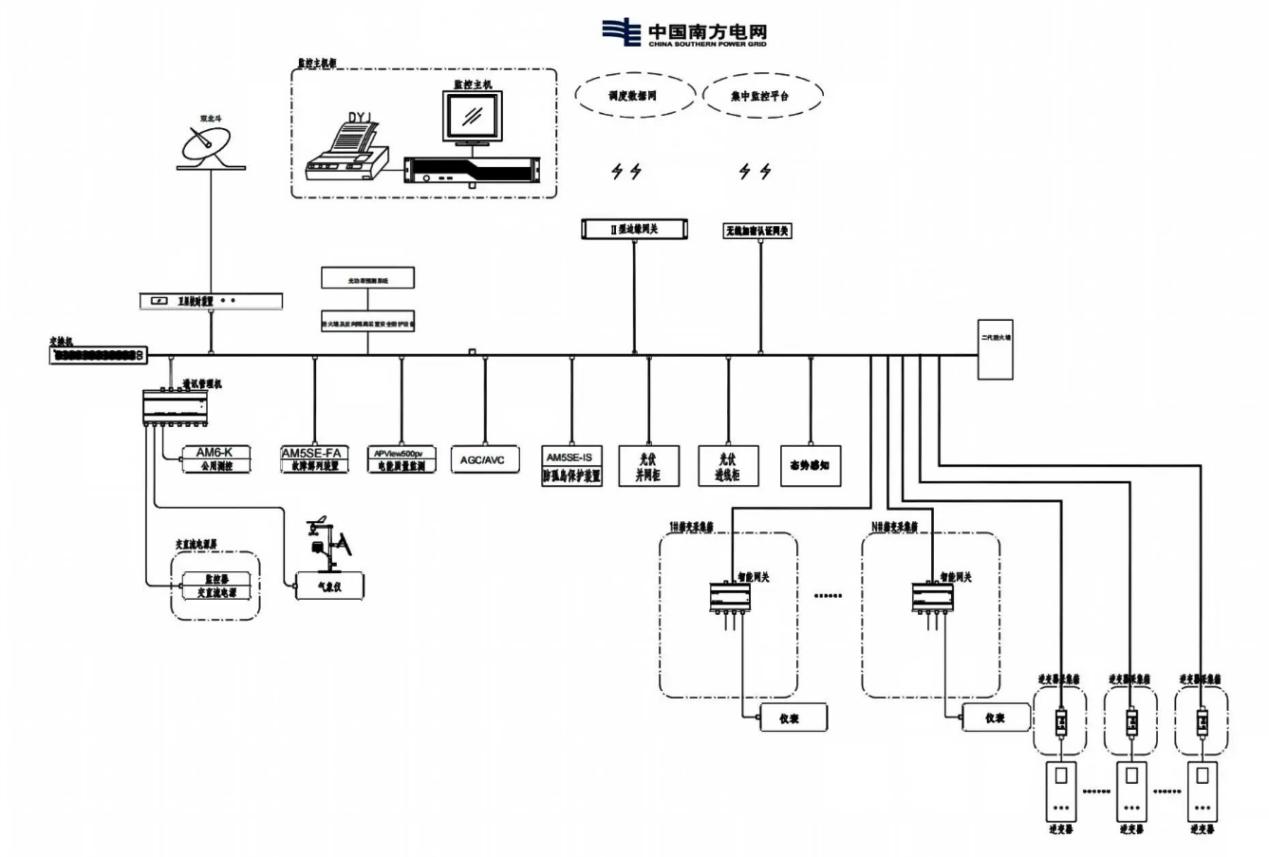
Figure 5 Monitoring System Network Structure Diagram System Functions
4.1 Real-Time Monitoring
The Acrel-1000DP distributed PV monitoring system features a user-friendly human-machine interface. It visually displays operating status of distribution circuits via primary wiring diagrams, monitors real-time electrical parameters including voltage, current, power and power factor of each circuit, and dynamically tracks closing/opening status of circuit breakers, isolating switches and earthing switches as well as fault and alarm signals. Customized overall interfaces are available for users to view PV modules and high-voltage equipment in respective power distribution rooms.
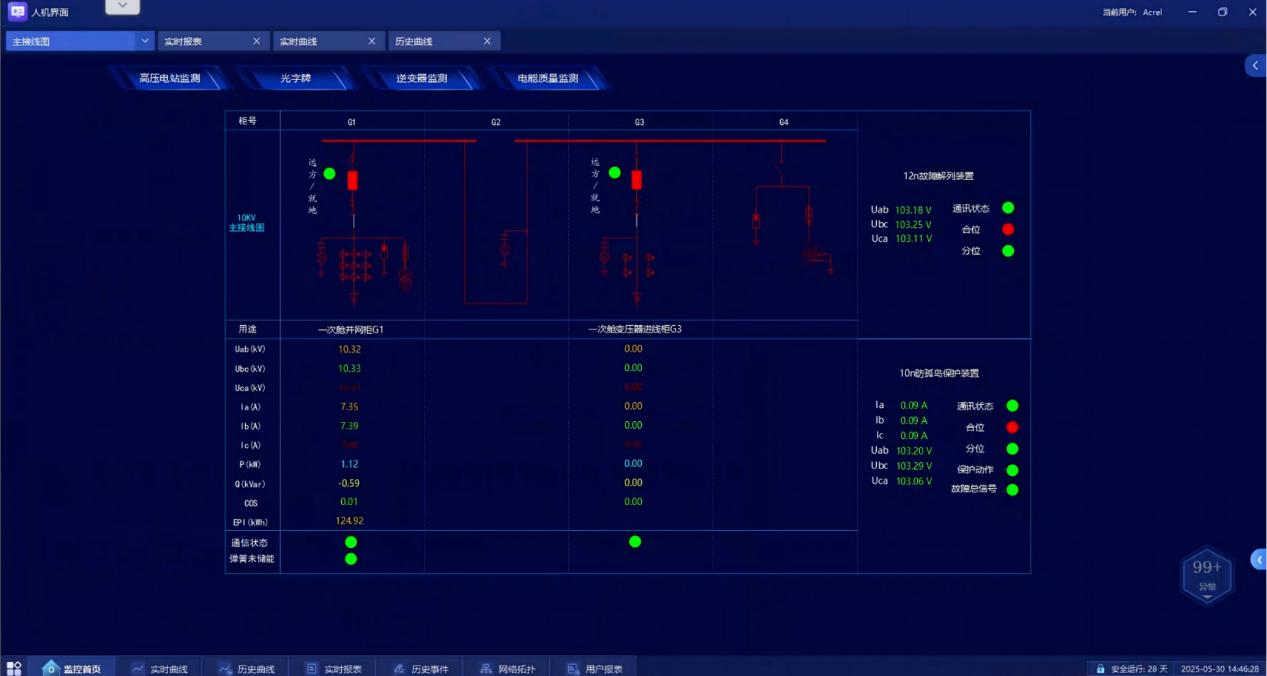
Figure 6 Real time monitoring function diagram of a main line
4.2 Alarm Window Monitoring
The light sign monitoring interface displays remote signal status of all protection devices directly. Operators can identify on-site power operation faults and alarms, as well as circuit breaker status, facilitating full-station switch supervision.
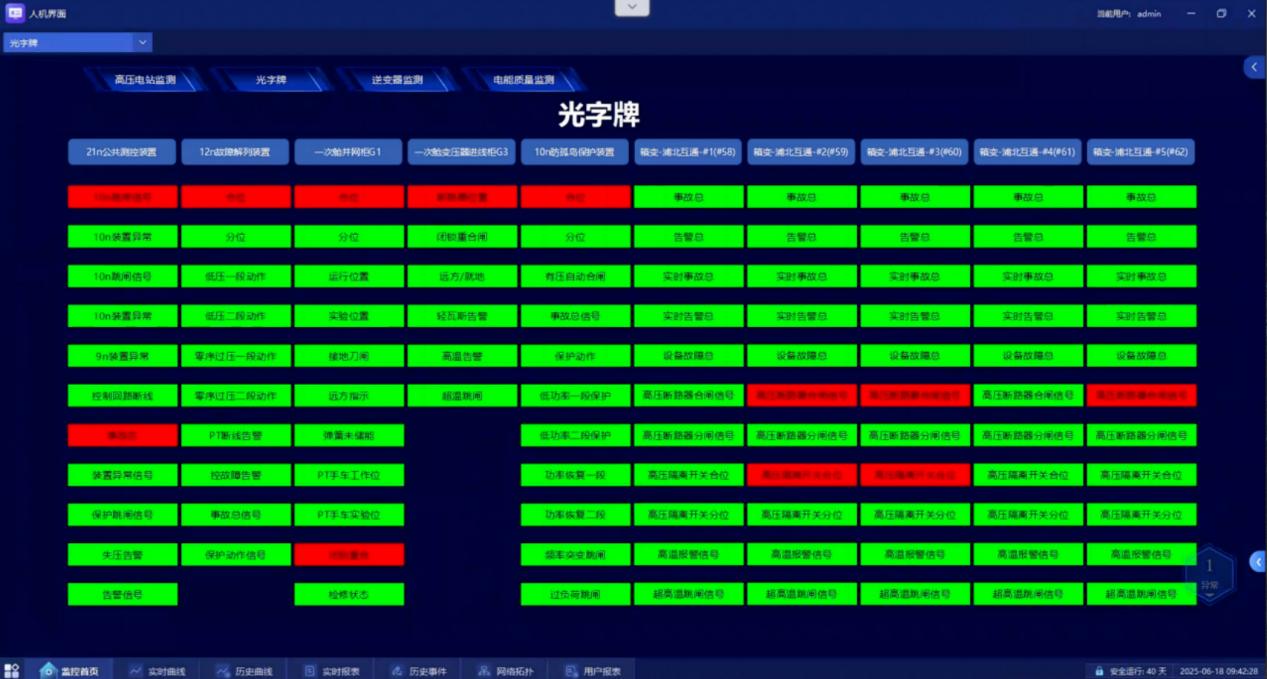
Figure 7: Function diagram of light sign monitoring
4.3 Real-Time Curve Monitoring
Users may select target data metrics on the real-time curve interface to display dynamic data fluctuations, supporting simultaneous visualization of up to four curves for operational data analysis.
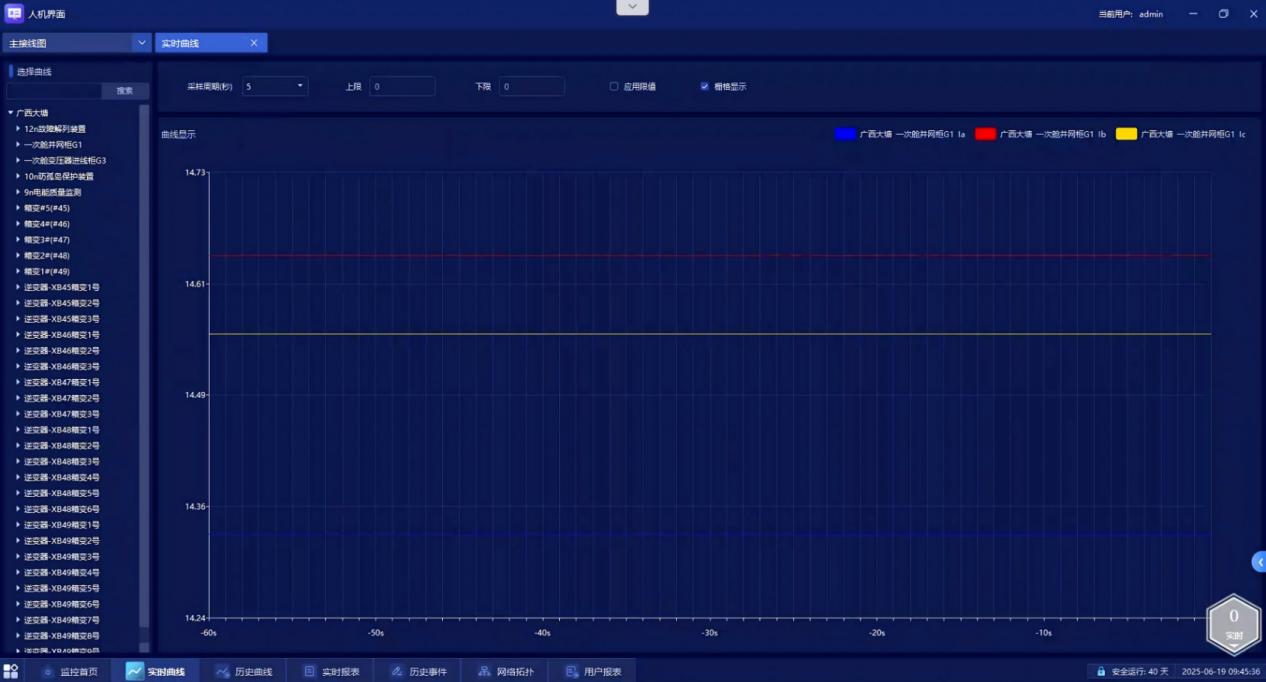
Figure 8 Real time curve monitoring function diagram
4.4 Real-Time Report Monitoring
The real-time report interface allows users to select target equipment to query real-time operating parameters of each circuit or device. Reported electrical metrics include three-phase current, three-phase voltage, total power factor, total active/reactive power, energy production and remote signal data.
Remote measurement data: real-time values marked with distinct colors by status (over-limit, forced setting, communication failure, etc.), daily maximum/minimum values with timestamps, daily average values
Remote signal data: real-time status marked with distinct colors, device status (forced setting, communication failure, etc.), daily state transition counts
Reports support export and printing functions.
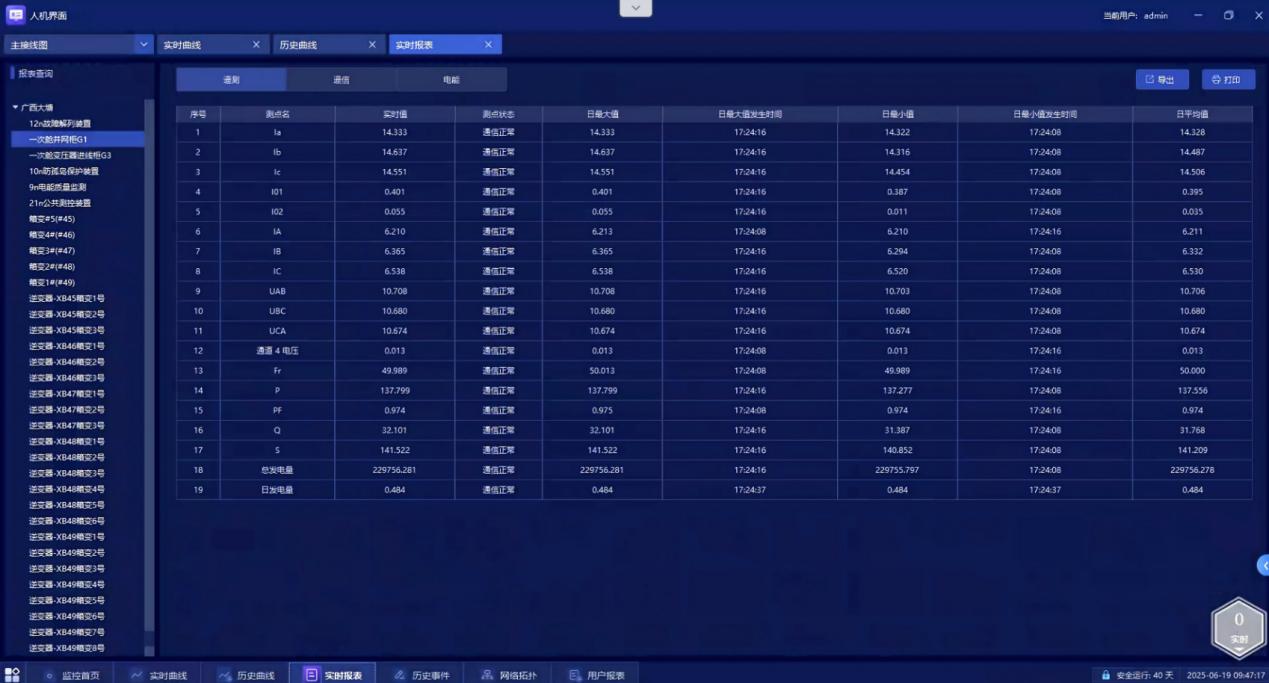
Figure 9 Real time report monitoring function diagram
5. Conclusion
Against the backdrop of the "Dual Carbon" goals, national policies support the development of expressway land-based economy alongside the large-scale construction of distributed new energy. Research has been carried out on innovative operation models for PV projects built on expressway land to fully tap into the development potential of this land-based economy.
This Project actively responds to national policies to develop expressway-side PV power generation while complying with power safety requirements set by local power supply bureaus. Reliable distributed PV monitoring system solutions are essential for grid connection of distributed PV stations. Acrel’s power monitoring system solution assists power users and grid operators in orderly large-scale grid integration of distributed PV resources, strengthens unified management and control, promotes coordinated operation between distributed PV stations and the main power grid, and establishes a new distributed new energy dispatching management system featuring transparent data, convenient regulation and energy interaction.
 English