.webp)
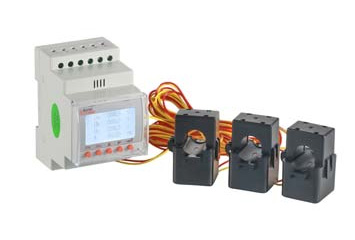
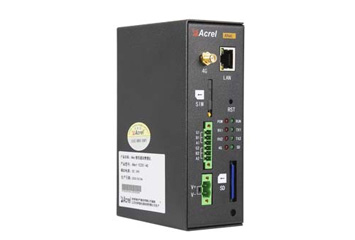
Wireless communication protocols such as WiFi, LoRa, and NB-IoT define how a wireless three phase energy meter transmits data, determines system scalability, and impacts reliability, cost, and deployment flexibility. WiFi is ideal for high-speed, short-range environments like commercial buildings; LoRa excels in long-range, low-power industrial or campus scenarios; and NB-IoT provides carrier-grade, wide-area connectivity for distributed assets such as utilities and smart cities.
Why Communication Protocol Selection Matters in Energy Metering
In modern IoT-based energy management systems, communication protocols are no longer a secondary consideration—they directly influence:
Data transmission reliability
Installation complexity and cost
Real-time monitoring capabilities
Scalability across multiple sites
Integration with EMS (Energy Management Systems)
For any wireless three phase energy meter, choosing the right protocol determines whether your system delivers actionable insights or becomes a fragmented data source.
What Communication Protocols Are Used in Wireless Energy Meters?
Wireless energy meters typically rely on three primary communication technologies:
WiFi (IEEE 802.11) – Local high-speed communication
LoRa (Long Range) – Low-power wide-area networking
NB-IoT (Narrowband IoT) – Cellular-based IoT communication
Each serves a distinct purpose depending on infrastructure, data requirements, and deployment scale.
WiFi Energy Meters: High-Speed, Short-Range Communication
How WiFi Works in Energy Metering
WiFi-enabled meters connect directly to local routers or enterprise networks, transmitting real-time electrical data to cloud platforms or local servers.
Key Advantages
High data throughput (real-time monitoring)
Easy integration with existing IT infrastructure
Suitable for dense indoor environments
Low latency for instant analytics
Limitations
Limited range (typically <100 meters indoors)
Higher power consumption compared to LPWAN
Network congestion risks in large deployments
Typical Applications
In these environments, a wireless three phase energy meter using WiFi ensures continuous, high-resolution monitoring of loads and power quality.
LoRa Energy Meters: Long-Range, Low-Power Connectivity
How LoRa Works in Energy Metering
LoRa uses sub-GHz frequencies to transmit small packets of data over long distances, typically through a gateway that connects to a central server.
Key Advantages
Long communication range (up to 10–15 km in open areas)
Ultra-low power consumption
Strong penetration in industrial environments
Ideal for large-scale deployments
Limitations
Lower data rates (not suitable for high-frequency sampling)
Requires LoRa gateway infrastructure
Slight latency in data transmission
Typical Applications
For distributed systems, LoRa-enabled wireless three phase energy meters allow centralized monitoring without extensive cabling.
NB-IoT Energy Meters: Carrier-Grade Wide-Area Communication
How NB-IoT Works in Energy Metering
NB-IoT operates on licensed cellular networks, enabling meters to communicate directly with telecom infrastructure without additional gateways.
Key Advantages
Wide-area coverage via telecom networks
High reliability and security
Strong signal penetration (even underground)
Minimal infrastructure requirements
Limitations
Dependency on telecom operators
Subscription or SIM-based costs
Moderate data transmission speed
Typical Applications
Utility metering (electricity, water, gas)
Smart city infrastructure
Distributed energy assets (solar, EV charging)
NB-IoT is particularly effective when deploying wireless three phase energy meters across geographically dispersed locations.
WiFi vs LoRa vs NB-IoT: Which Protocol Is Best?
The optimal choice depends on your specific operational needs:
| Feature | WiFi | LoRa | NB-IoT |
Range | Short | Long | Very Long |
Power Consumption | High | Very Low | Low |
Data Rate | High | Low | Medium |
Infrastructure | Router-based | Gateway required | Cellular network |
Best Use Case | Buildings | Industrial campuses | Utility-scale deployment |
In practice:
Choose WiFi for real-time, high-density monitoring
Choose LoRa for large-area, low-power systems
Choose NB-IoT for nationwide or city-wide deployments
How to Choose the Right Protocol for Your Energy Monitoring System
Consider Deployment Environment
Indoor vs outdoor, dense vs distributed.
Evaluate Data Requirements
Real-time analytics vs periodic reporting.
Assess Infrastructure Availability
Existing WiFi networks, LoRa gateways, or cellular coverage.
Analyze Total Cost of Ownership
Hardware, installation, maintenance, and subscription costs.
For example, a factory with multiple workshops may prefer LoRa, while a commercial building with strong IT infrastructure may rely on WiFi-enabled wireless three phase energy meters.
Can Wireless Energy Meters Work Without Internet?
Yes, but with limitations.
WiFi and NB-IoT typically require internet connectivity for cloud-based monitoring
LoRa systems can operate on private networks with local servers
Data logging can still occur locally even without continuous connectivity
However, real-time analytics and remote control functions depend on stable communication links.
Are Wireless Energy Meters Reliable for Industrial Use?
They are widely used in industrial environments when properly configured.
Reliability depends on:
Signal stability
Interference management
Network redundancy
Protocol selection
LoRa and NB-IoT are generally more robust in harsh environments, while WiFi performs best in controlled indoor settings.
How Secure Are Wireless Energy Meter Communications?
Modern systems incorporate multiple layers of security:
AES encryption (LoRa)
SIM-based authentication (NB-IoT)
WPA/WPA2 protocols (WiFi)
Secure cloud platforms and APIs
For enterprise deployments, integrating meters into a secure IoT energy management system ensures data integrity and compliance.
Future Trends in Wireless Energy Meter Communication
The evolution of smart energy systems is driving innovation in communication technologies:
Hybrid communication (WiFi + LoRa + Cellular)
Edge computing for faster data processing
AI-driven energy analytics
Integration with smart grids and demand response systems
As IoT ecosystems expand, the role of the wireless three phase energy meter will shift from simple measurement to intelligent energy optimization.
Conclusion
WiFi, LoRa, and NB-IoT each serve distinct roles in wireless energy metering. The right choice depends on your operational scale, infrastructure, and data requirements. By aligning communication protocols with application scenarios, businesses can build efficient, scalable, and future-ready energy management systems.
Frequently Asked Questions
What is the best communication protocol for energy meters?
The best protocol depends on the application—WiFi for buildings, LoRa for large industrial areas, and NB-IoT for wide-area deployments.
Do wireless energy meters need a gateway?
LoRa-based systems require gateways, while WiFi and NB-IoT can connect directly to networks.
Can wireless energy meters transmit data in real time?
Yes, especially with WiFi and NB-IoT, though LoRa is typically used for periodic data transmission.
What is the range of a wireless energy meter?
It varies by protocol: WiFi (~100m), LoRa (up to 15 km), and NB-IoT (nationwide coverage via cellular networks).
Are wireless three phase energy meters suitable for industrial use?
Yes, when paired with the appropriate communication protocol, they provide reliable and scalable energy monitoring solutions.
 English